FPGA Now is a hobby blog. I work with FPGAs in my spare time, and this is where I write up what I try: the boards I buy, the projects I build on them, what breaks, and how I got it working in the end.
Most posts involve Xilinx/AMD boards, Vivado and LabVIEW FPGA. A long-running side project is parsing market data and building an order book on an FPGA. The code is on GitHub.
The name comes from wanting to get FPGAs doing something useful now, as in right now, not in 6 months, not in 2 years, using affordable boards on a desk at home.
What is an FPGA?
For starters, FPGA stands for Field Programmable Gate Array.
See the wikipedia entry here:
https://en.wikipedia.org/wiki/Field-programmable_gate_array
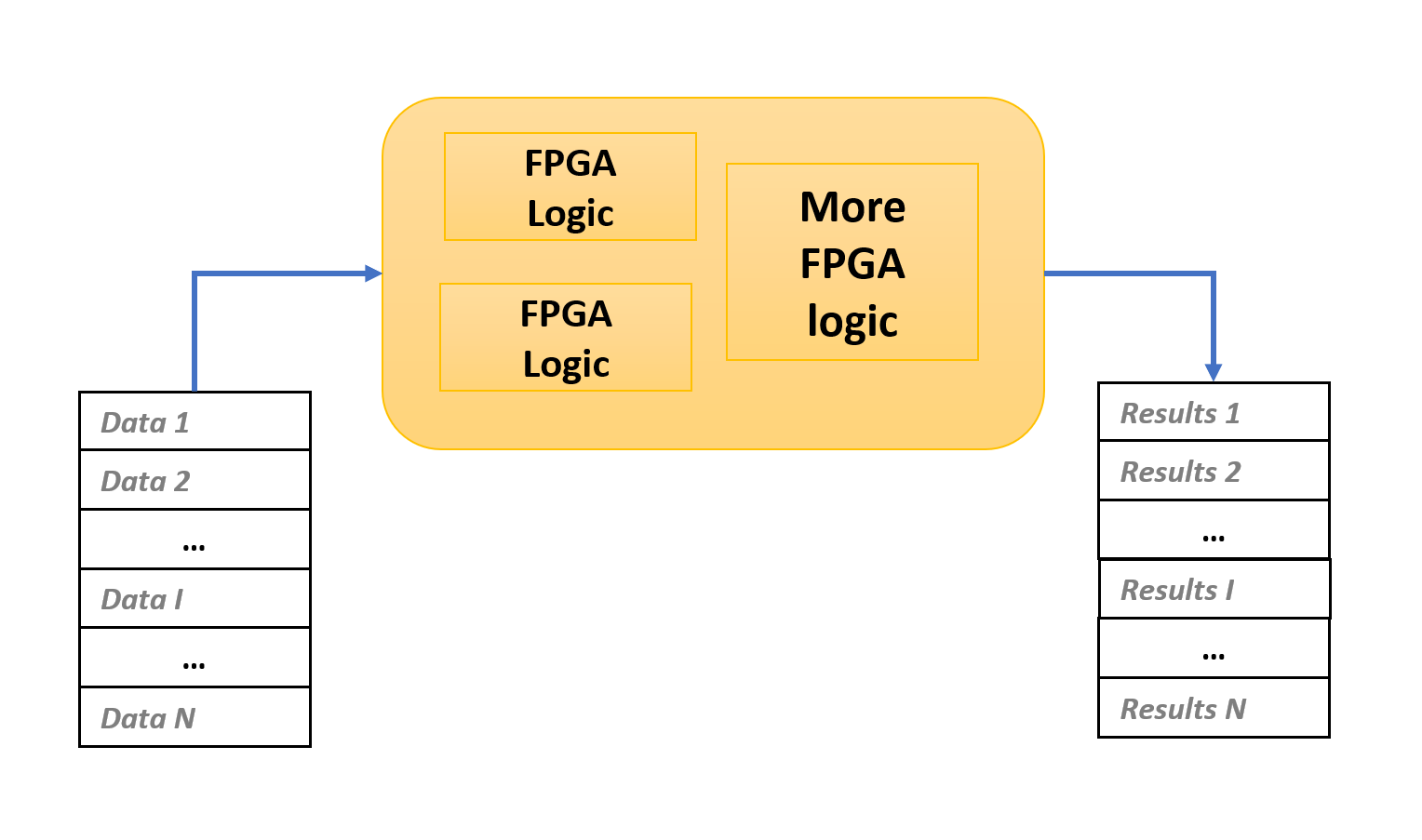
For the TL;DR; Generation, an FPGA is simply this:
“You are not writing instructions for an FPGA, you are creating a processor”
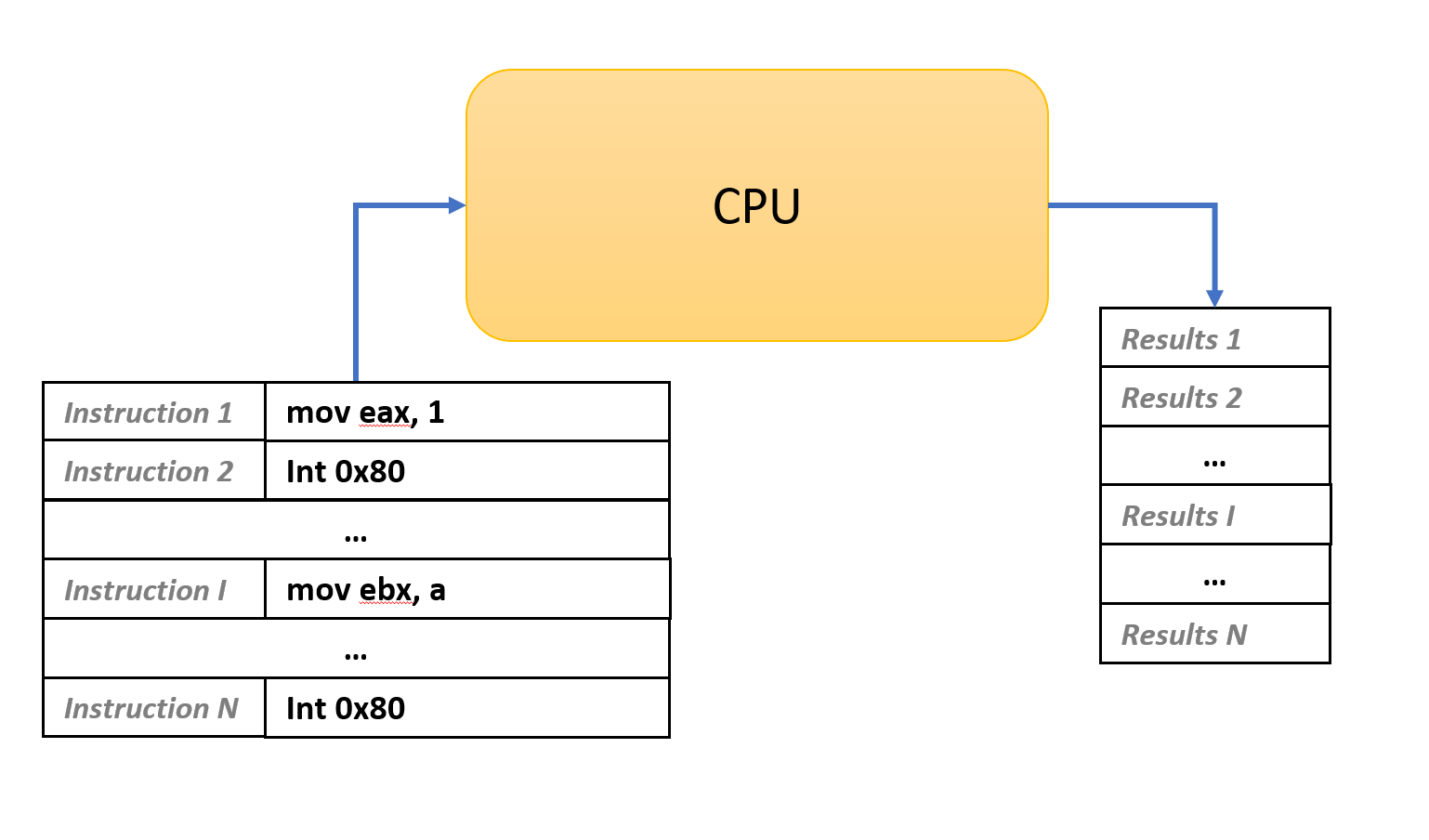
CPU
So, for a CPU, we write a program that gets translated into instructions that are executed by a very generic and non-specialized CPU. The CPU essentially reads memory, performs operations and writes the results to memory. (or memory mapped files, registers…etc)
FPGA
In an FPGA however, you batch up the data and stream it in to the FPGA where the FPGA has operations that you customize to optimally operate on the data and produce the results. This saves a lot of time.